Norway consistently ranks among Europe's best destinations. The country is recognized as the world's most democratic nation according to the Economist Intelligence Unit, and ranks second on the UN's Human Development Index. With its geographic location, low population density, respectful approach to nature, first-class infrastructure, tranquility and welcoming culture, Norway continues to attract growing numbers of international visitors each year.
Eight major markets, multiple opportunities
Norway is not a single market, it is a network of distinctive destinations, each with its own profile and opportunities for airlines. The following eight markets represent the country's primary aviation centers, each with unique characteristics across leisure, business, and VFR travel segments.
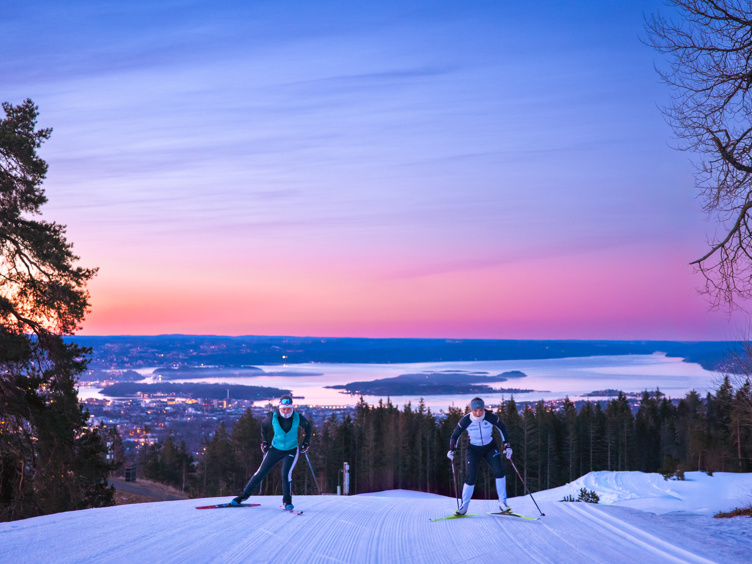
Oslo – The Winter Capital
As Norway's capital and largest metropolitan area, Oslo Airport serves as the gateway for international travel. The region combines a strong economy, rapid population growth, and a thriving innovation ecosystem with a rich cultural offering and easy access to nature. Oslo generates year-round demand across corporate, leisure, and connecting traffic, making it Norway's most important aviation hub.

Bergen – Gateway to the Fjords
Bergen's many attractions, from nature to culture, as well as its thriving industries, have led to steady growth in international traffic. Ideally located at the entrance to some of the world's most majestic fjords, Bergen's growth continues. The city, with around 300,000 inhabitants, had over 3 million visitors annually before the COVID-19 pandemic.

Stavanger – The Energy Capital
Stavanger is internationally recognized as the center of Norway's energy industry. The region continues to play a key role in the global energy sector while also leading developments in renewable energy, offshore wind, and sustainable technologies. Strong corporate travel demand is complemented by growing leisure traffic drawn to the region's dramatic coastline, outdoor experiences, and culinary reputation.
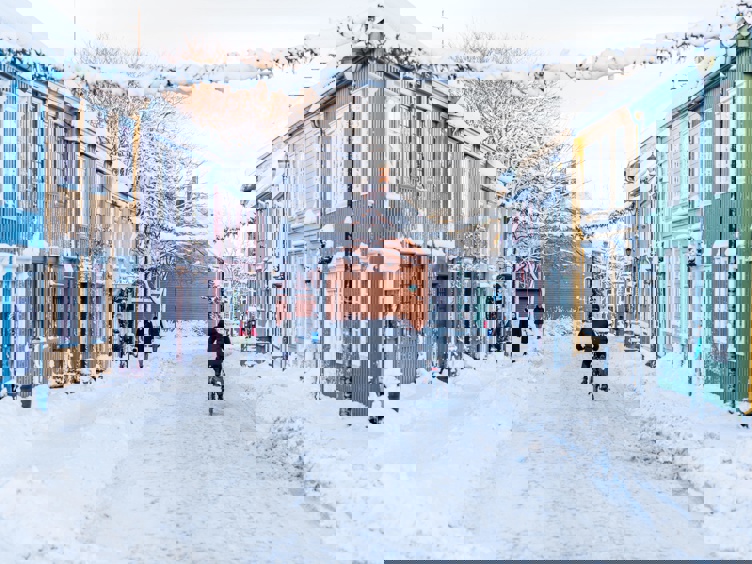
Trondheim – The City of Innovation
Trondheim is Norway's leading city for research, education, and technology development. Home to internationally recognized academic institutions such as NTNU and a growing innovation sector, the city attracts students, researchers, entrepreneurs, and business travelers from around the world. Combined with a vibrant cultural scene and high quality of life, Trondheim represents one of Scandinavia's most dynamic regional markets.
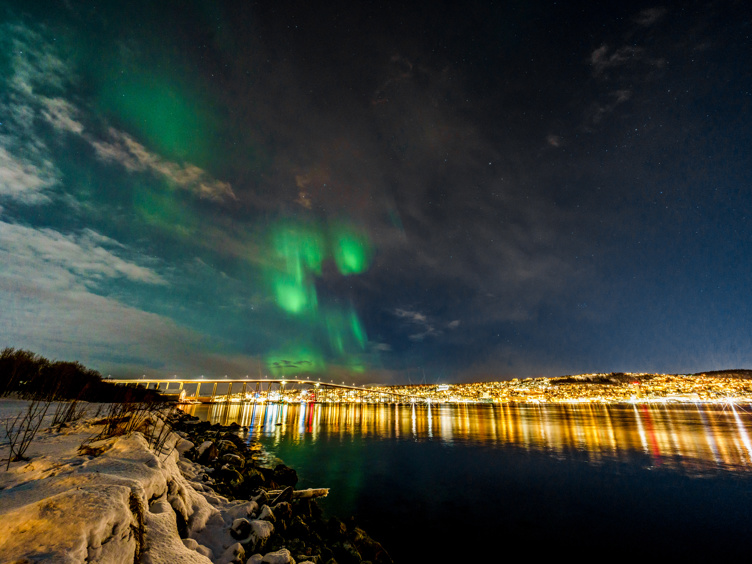
Tromsø – Capital of the Arctic
Tromsø has become one of Europe's most successful Arctic destinations. Known globally for Northern Lights tourism, whale watching, and outdoor adventures, the city combines international visitor appeal with a strong research, education, and innovation environment. Its unique position as both an Arctic city and tourism destination has created sustained growth in international demand.
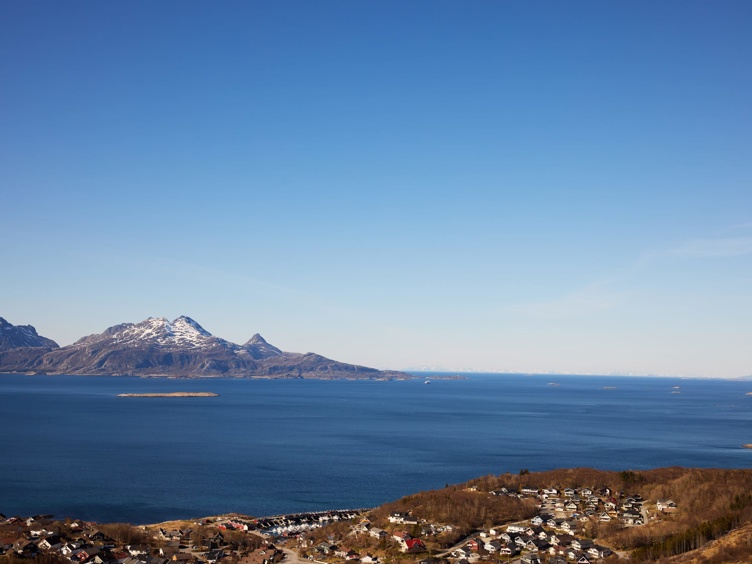
Bodø – The Arctic Coast
Located just north of the Arctic Circle, Bodø serves as a strategic gateway to Northern Norway. The city combines strong regional connectivity with growing international appeal driven by Arctic nature, outdoor adventure, and cultural experiences. Its role as a regional centre for business, education, and public services creates a balanced travel market with opportunities across multiple segments.
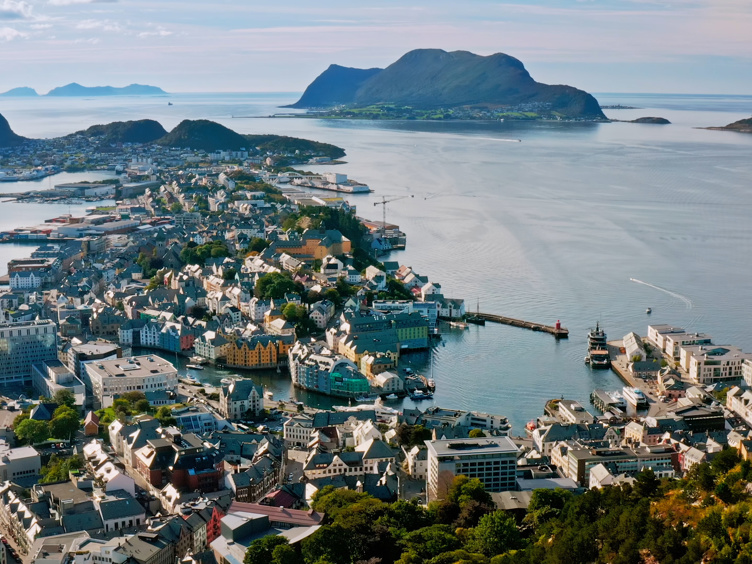
Ålesund – Fjords, Mountains and Coastal Heritage
Ålesund is one of Norway's most distinctive destinations, renowned for its Art Nouveau architecture and spectacular natural surroundings. The region serves as a gateway to the fjords, mountains, and coastal landscapes of north-western Norway, while also supporting strong maritime, fisheries, and technology industries. This combination of economic activity and visitor appeal creates a diverse and resilient aviation market.
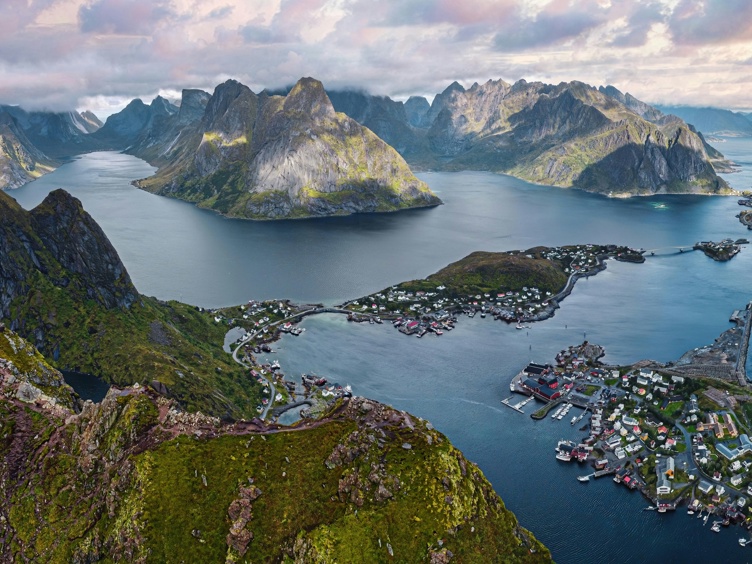
Evenes – Gateway to Lofoten and Vesterålen
Strategically positioned between Northern Norway's most spectacular landscapes, Evenes serves as the primary aviation gateway to Lofoten and Vesterålen, two of Europe's most sought-after travel destinations. The airport combines strong regional connectivity with rapidly expanding international appeal driven by dramatic Arctic scenery, world-class outdoor adventures, and authentic coastal experiences. Its role as a key transport hub for tourism, fisheries, aquaculture, and regional industries creates a diverse and dynamic travel market with opportunities across multiple segments and seasons.

Alta – Northern Lights and Arctic Heritage
Alta is one of Northern Europe's leading winter destinations and an internationally recognised Northern Lights market. The region attracts visitors seeking authentic Arctic experiences, while its strong connection to Sami culture and Arctic heritage creates a distinctive destination profile. Alta also functions as an important regional centre, supporting both leisure and business travel demand throughout the year.